

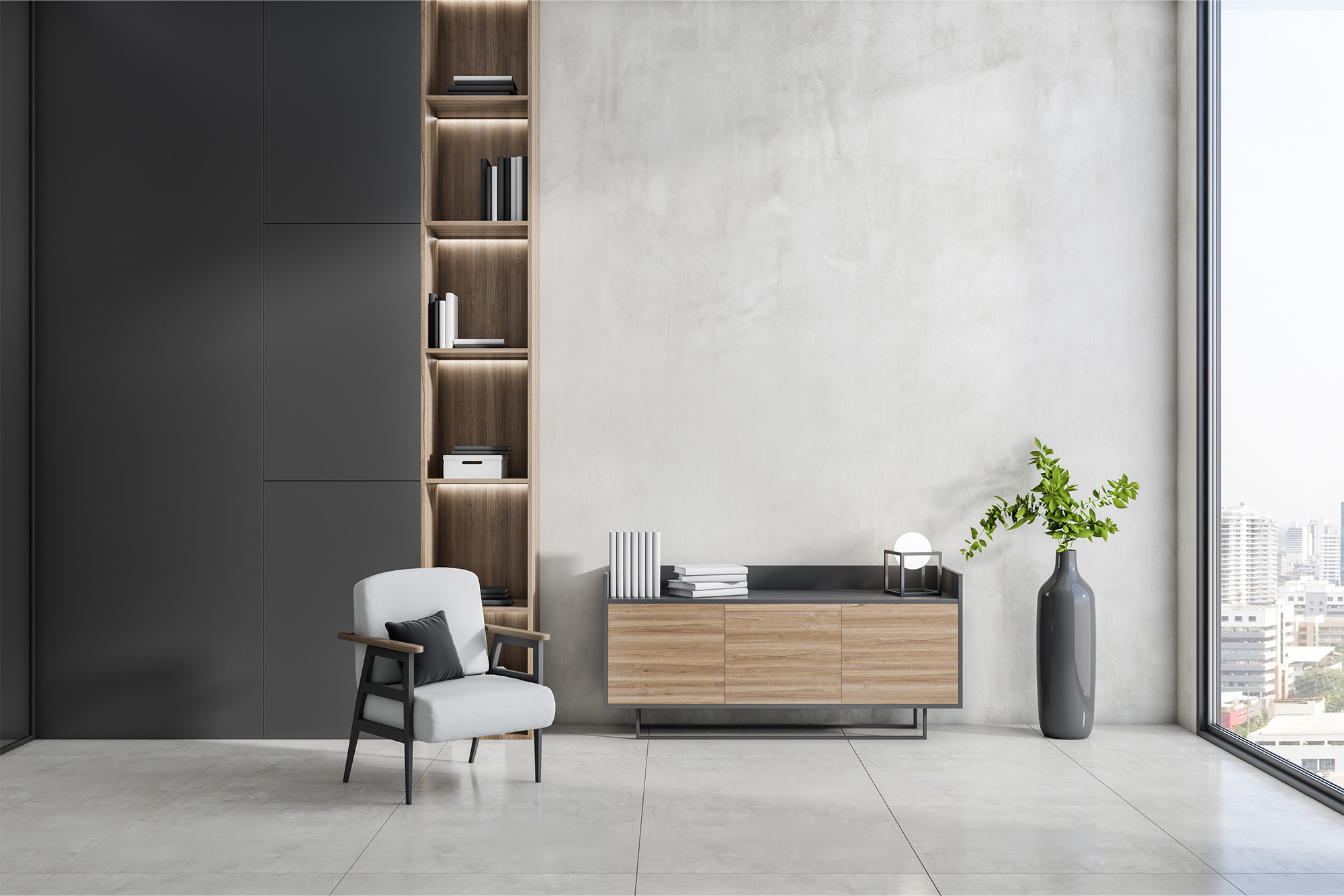
Modern minimalist homes can look beautiful, but sometimes they miss that lived-in, welcoming feeling you actually want at the end of a long day. Clean lines, open layouts, and simple color palettes are great starting points, yet they can also feel a little flat when every surface is too smooth or too similar. That’s where natural materials make a real difference. Stone and tile bring warmth through texture, variation, and depth, even when the overall design stays simple.
Why minimalist spaces need texture, not clutter
A warm minimalist home does not need more stuff. It needs better contrast. When you bring in natural surfaces, you add movement without creating visual noise. Veining, soft color shifts, and tactile finishes help a room feel layered, which is especially important in spaces built around white walls, light wood, matte black accents, and streamlined furniture.
That’s one reason so many homeowners start by browsing natural stone flooring options. Materials like travertine, slate, marble, and granite each create a different mood, but they all offer something minimal interiors often need: an organic element that keeps the room from feeling cold. Instead of relying on bold décor to add personality, you let the floor do some of that work in a quieter, more timeless way.
Stone creates warmth in a way paint and furniture cannot
Minimalist design often leans hard on shape and color, but flooring changes how a room feels from the ground up. Stone has visual weight, which helps anchor airy spaces. It also reflects light differently than synthetic materials, giving the room a softer, more natural rhythm throughout the day.
In homes around Sterling Heights, MI, that matters more than people sometimes expect. Long winters, wet shoes, and road salt can make entryways and main living areas tough on ordinary surfaces. Natural materials hold up well while still looking refined, and they pair beautifully with radiant heat if you want comfort that feels understated rather than flashy. If you want to compare tones, sizes, and finishes that fit a cleaner aesthetic, our flooring inspiration galleries can help you see how these looks come together in real spaces.
Tile helps modern homes feel softer and more practical
Stone is not the only answer, especially if you want a similar effect with a little more flexibility. Tile works beautifully in minimalist homes because it can either blend in or stand out, depending on the finish you choose. Large-format porcelain can make a room feel calm and expansive, while matte ceramic or mosaic details can introduce warmth in smaller doses.
If you’re weighing styles for kitchens, baths, mudrooms, or finished basements, it helps to explore tile flooring choices with real texture and subtle variation. The goal is not to make every room dramatic. It is to create a home that feels considered. A warm minimalist look usually comes from restraint paired with the right material, not from adding more design elements.
The best results come from balancing simplicity with character
The mistake many people make is choosing something too uniform because they think minimal has to mean plain. In reality, the most inviting spaces usually mix clean architecture with surfaces that feel grounded and human. A soft limestone look, a lightly textured porcelain, or a stone-inspired pattern can keep the design simple while making it feel more personal.
That balance is a big reason families in Warren and nearby communities often want to see materials in person before deciding. Photos help, but texture, undertone, and finish are what really determine whether a space feels crisp or comfortable. You can also get to know our family-owned flooring team and see why so many local homeowners trust us to guide those decisions carefully rather than rush them.
Minimalist homes do not need more decoration to feel warm. They need surfaces with depth, durability, and just enough natural variation to soften the whole space. If you’re ready to explore ideas for your own home, you can request a free in-home flooring estimate.