

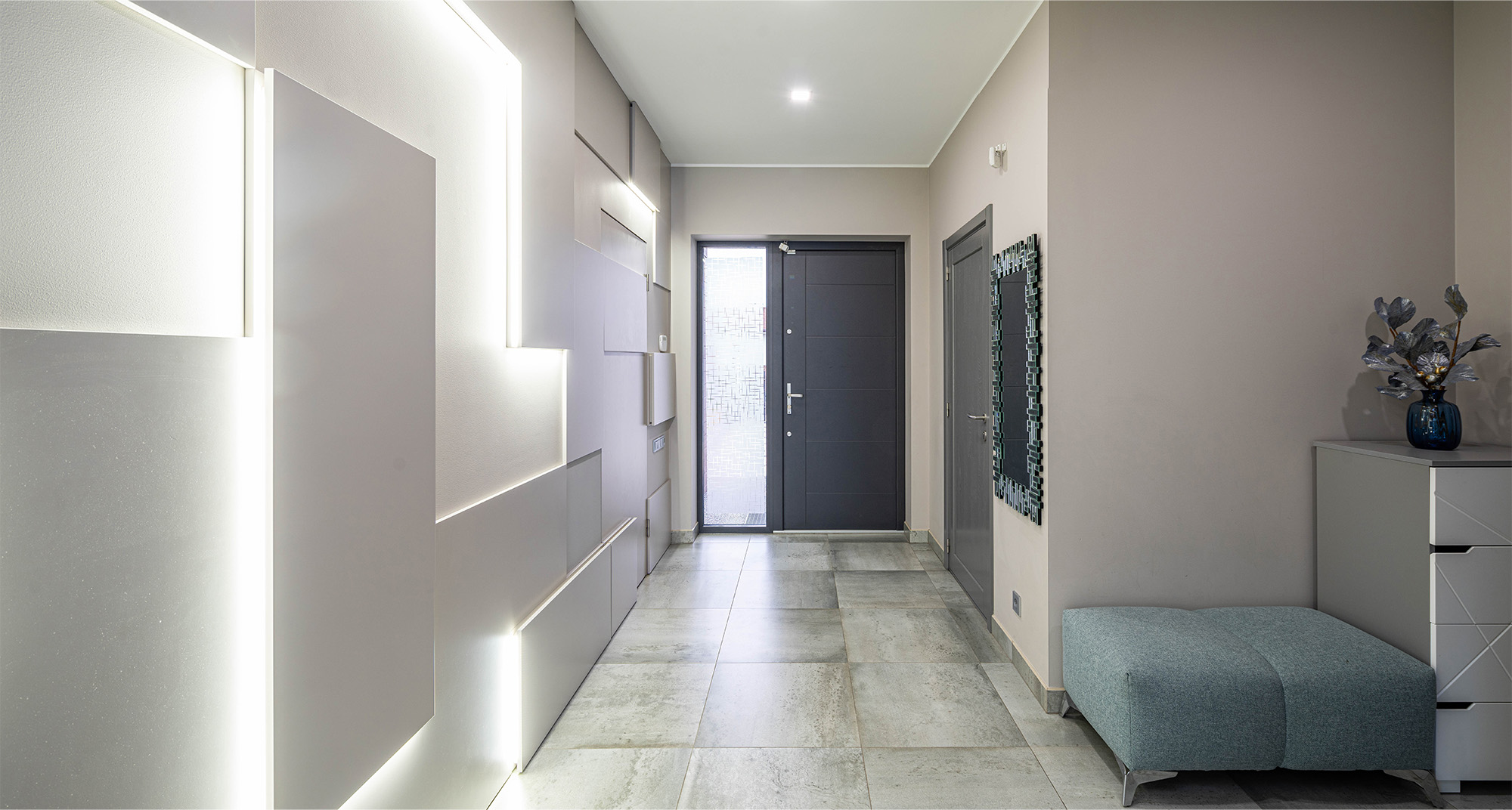
You know that moment in January when you kick off your boots and watch a mix of snow, slush, and road salt melt all over the entryway? If you’ve got the wrong flooring there, that mess doesn’t just look bad — it can stain, etch, or even crack the surface over time. The good news is, with the right tile or stone and a few smart design choices, your entry can handle winter without constantly stressing you out.
What Salt and Snow Actually Do to Entryway Floors
Road salt isn’t just “a little rough” on floors — it’s genuinely harsh. As snow and slush melt, salty water seeps into grout lines, tiny surface pores, and even under loose tiles. When it dries, it leaves white hazy residue and can slowly break down sealers and finishes.
In a typical Metro Detroit winter, you’re dealing with:
- Constant temperature swings near the door, which expand and contract materials.
- A steady stream of grit that works like sandpaper under shoes.
- Puddles of meltwater that sit on the surface longer than you’d like.
That’s why we usually steer people away from softer entry materials and toward dense porcelain tile or properly sealed stone that can handle moisture, grit, and aggressive cleaning when you need to scrub things down.
If you want to see what’s possible in terms of style and durability, our tile flooring catalog shows a wide range of porcelain and ceramic options sized perfectly for busy entryways.
Best Tile Choices for Winter-Proof Entryways
For most homes, porcelain is the workhorse of a winter entry. It’s dense, low-porous, and stands up to repeated mopping and stronger cleaners when salt builds up.
When you’re comparing options, here’s what we usually recommend you look for:
- Porcelain over basic ceramic in the highest-traffic spots by the door, because it absorbs less water.
- Matte or textured finishes instead of glossy ones, so the floor is less slippery when wet.
- Medium-tone colors that hide dried salt marks better than very dark or very light tiles.
- Rectified or larger-format pieces if you want fewer grout lines to scrub.
If you love the look of stone but want tile performance, many of the designs in our natural stone flooring collection have porcelain look-alikes in the tile catalog that mimic marble, slate, or travertine without the same maintenance demands.
Using Natural Stone in an Entry: When It Works (and When It Doesn’t)
Natural stone can absolutely work in a winter entry — you just need to be honest about how your household lives. Slate and some textured granites tend to do better with salt, while softer stones like marble are more likely to etch or dull if salty water isn’t wiped up quickly.
If you’re set on real stone, think about:
- Surface texture. Slightly cleft or honed finishes are more forgiving than polished.
- Sealing schedule. Stone needs to be sealed and resealed on a regular basis, especially where boots land.
- Cleaning products. You’ll want neutral, stone-safe cleaners rather than harsh chemicals.
We often blend materials: for example, porcelain right at the door where the worst of the slush lands, then a transition into stone a few feet in. Looking through our flooring inspiration galleries can help you picture how different materials and layouts might work together in your own entry.
Design Details That Make Winter Cleanup Easier
Even the toughest tile can’t do all the work alone. A few small layout and design choices go a long way toward keeping that front or garage entry under control:
- Plan a “landing zone.” Use more textured tile or a darker pattern right where people step in, then transition to smoother or lighter material farther inside.
- Think about grout color. A slightly darker or medium-tone grout hides salt stains and everyday dirt much better than bright white.
- Add a recessed or built-in mat area. Dropping a mat into a shallow tiled “tray” keeps it from sliding and contains melted water.
- Protect the next surface. If your entry leads straight into hardwood, make sure there’s enough hard-surface tile before the transition so wet boots don’t sit on wood. When that wood does start to look tired, our team can walk you through a full hardwood refinishing process to bring it back without replacing everything.
Over time, a smart entry layout means less scrubbing, fewer “watch your step” warnings, and a floor that still looks good when winter finally lets go.
If you’re thinking about upgrading your entry before the next round of snow and salt, we’re happy to help you sort through tile and stone options that fit how you actually live. You can tell us a bit about your space and timing, and we’ll put together some ideas and pricing when you request a free estimate.