

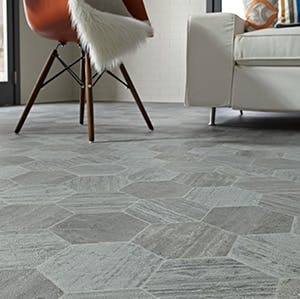
Picture this: it’s a snowy Michigan evening, you’ve got friends gathered around the table, candles lit, and your floors look like they belong in a boutique hotel instead of a typical suburban home. That “wow” factor you’re picturing? Natural stone in your dining room and living spaces can get you there.
Let’s walk through when stone makes sense, what to watch out for, and how to make it feel warm and livable—not cold and echoey.
Why Natural Stone Works So Well in Living and Dining Areas
In busy spaces where people eat, drink, and hang out, you need something that looks elevated but can still take a beating. Natural stone does both. It brings real texture and movement you just can’t fake with printed surfaces, and it holds up to chair legs, kids’ toys, and the occasional dropped fork.
Because every piece is unique, stone floors instantly make a dining room or living area feel custom. Veining in marble, the earthy pattern of travertine, or the rugged look of slate all add character under your furniture instead of just fading into the background. If you like to compare options before you commit, you can browse finishes and colors in our natural stone flooring collection and start to picture what would work with your furniture and wall colors.
In open-concept homes, stone also helps visually tie together the kitchen, dining, and family room, so everything feels intentional instead of pieced together.
Comfort, Warmth, and Everyday Living on Stone
If you’re worried stone will feel too cold or hard underfoot, you’re not alone. In a four-season climate with chilly winters, comfort matters. The good news is you can absolutely make stone feel cozy.
First, stone pairs beautifully with area rugs. A rug under the dining table softens sound and makes chairs glide more quietly, while one in the living room creates a warm zone around the sofa. Swapping rugs with the seasons is also an easy way to refresh the room without changing the floor. If you want to see how different patterns and sizes might look, our area rug selection is a helpful place to experiment with ideas.
Second, stone works very well with radiant heat. If you’re planning a bigger remodel, heated floors under natural stone can give you that spa-like warmth when you walk barefoot across the room on a January morning.
Finally, think about surface finish. Honed or tumbled stone tends to feel softer and less slippery than polished, which can make everyday living spaces more comfortable and family‑friendly.
Style Choices: Matching Stone to Your Furniture and Layout
Choosing the right stone is really about how you use the room. If your dining area is more formal, marble or a finely honed limestone can add that elegant, dressy feel. For casual, family-first spaces, travertine or slate often works better because the pattern hides crumbs, smudges, and everyday scuffs.
Color also changes everything. Light stone opens up smaller living rooms, while deeper, earthy tones can anchor a large, open space that currently feels a bit empty. In many Metro Detroit homes, you’ll see a mix of wood trim, painted cabinets, and leather or fabric seating, so it helps to think of stone as a neutral backdrop that lets those pieces stand out. If you want visual inspiration before you start, our flooring inspiration galleries show real room scenes that can spark ideas for your own layout.
For homes where tile already runs through the kitchen, a coordinating stone or porcelain in the living and dining areas can create a seamless, low‑maintenance main floor that still feels warm once you layer in textiles and lighting.
Practical Considerations: Durability, Care, and Installation
Natural stone is tough, but it isn’t maintenance‑free. In dining rooms and living areas, you’ll want to think about sealing, chair movement, and spills.
- Sealing: Most stones benefit from regular sealing to resist stains from red wine, juice, or the occasional dropped plate of spaghetti. It’s not difficult; it just needs to be on your home‑maintenance radar.
- Furniture: Felt pads under chair and table legs prevent scratching and make it easier to slide things in and out.
- Noise: Stone doesn’t absorb sound like carpet, so adding curtains, rugs, and upholstered furniture helps keep echoes down.
Professional installation matters here. These are big, visible spaces, and lippage (uneven tile edges) or poor layout will drive you crazy every time you walk through. If you’re combining stone with hardwood or other surfaces, our team can also talk through transition pieces and, if needed, options like hardwood refinishing to blend old and new floors so everything flows together.
Because this is such a central part of your home, it often helps to talk through your specific layout, subfloor, and lifestyle before you commit. If you’re ready to explore whether natural stone is right for your dining and living spaces, you can start by requesting a free estimate, and we’ll walk you through options, pricing, and what installation would look like in your home.