

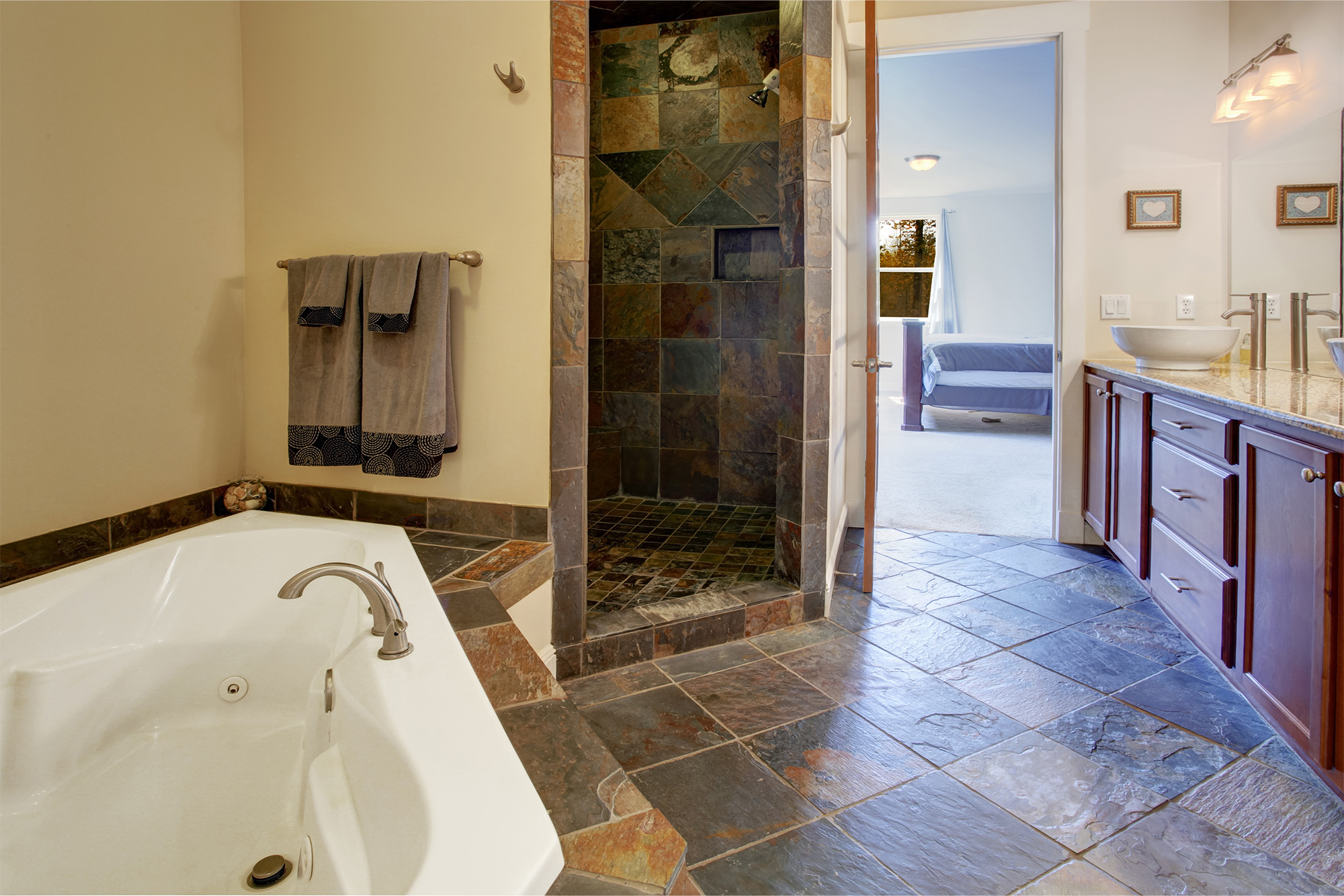
If you live in an older home, you probably walk across your floors every day thinking, “If I ever sell, are these helping…or hurting?” Original hardwood can be charming, but dated vinyl, cracked tile, or mismatched patches from past remodels can drag down the whole space. That’s where natural stone starts to look really attractive — not just for style, but for resale value.
Let’s talk through how stone fits into an older house, where it makes the most impact, and what buyers are actually looking for.
Why Buyers Love Natural Stone in Older Homes
When someone walks into a listing with natural stone underfoot, it immediately signals “this home has been upgraded with quality materials.” Real estate agents know that kitchens, bathrooms, and entryways sell houses, and stone hits all three.
In an older property, buyers often worry about hidden issues: old plumbing, drafty windows, worn subfloors. When they see solid, heavy, long-lasting flooring, it quietly reassures them that at least some big-ticket updates have been done. Stone feels permanent in a way sheet vinyl or basic ceramic never quite does.
You also get that timeless look older homes wear so well. Marble and travertine work beautifully with mid‑century ranches and classic brick colonials because they don’t scream “trend of the year.” If you want to see what that can look like in different colors and patterns, you can browse finishes and formats in our natural stone flooring collection.
Where Stone Adds the Most Resale Value
In an older home, you don’t have to cover every square foot in stone to impress buyers. Strategic upgrades usually bring a better return than trying to do the entire house.
- Entryways and mudrooms: First impressions matter. A stone foyer instantly upgrades the feel of an older house and handles Michigan’s snow, salt, and slush without flinching.
- Kitchens: This is often the heart of the home and the first room buyers study. Stone floors paired with updated counters and lighting can make an older layout feel high-end.
- Bathrooms: Even small baths feel more luxurious with stone underfoot, especially when it replaces tired linoleum or cracked tile.
- Fireplace surrounds and accent areas: In homes with original character, stone around the hearth or in a sunroom can tie old and new together.
If you prefer something lower-maintenance but still want that upscale look, modern porcelain that mimics marble or slate can be a smart compromise. You can compare stone-look options in our tile flooring catalog and decide what fits your budget and lifestyle.
Balancing Character, Condition, and Budget
One fear we hear a lot: “I don’t want to erase the charm of my old house.” That’s completely valid. The goal isn’t to turn a 1960s ranch into a brand-new build; it’s to highlight the character and hide the wear and tear.
In some rooms, that might mean keeping original hardwood and simply bringing it back to life. If your existing floors are structurally sound but scratched and dull, refinishing can be a better move than replacing. Our team walks homeowners through a detailed hardwood refinishing process when that makes more financial sense than new materials.
In other spaces — especially wet or high-traffic areas — stone or tile will often outlast another round of budget flooring. The key is a cohesive plan: consistent tones, sensible transitions between rooms, and materials that suit how you actually live, not just what looks pretty in photos.
What Today’s Buyers Notice (Besides the Stone Itself)
Natural stone can absolutely support a higher asking price, but buyers also pay attention to execution:
- Does the layout make sense, or do the patterns feel choppy and busy?
- Are transitions between rooms smooth and safe?
- Does the stone complement the rest of the finishes, or clash with cabinets and paint?
Installation quality matters as much as the material. Clean grout lines, level surfaces, and thoughtful design details are exactly what homeowners mention when they talk about our customer reviews. Done well, stone floors make the whole house feel more expensive — even if you didn’t change a single wall.
If you’re wondering whether natural stone is the right move for your older home, we’re happy to walk through options, costs, and what will matter most when you eventually sell. When you’re ready to chat, you can start by sharing a few project details through our free estimate form.