

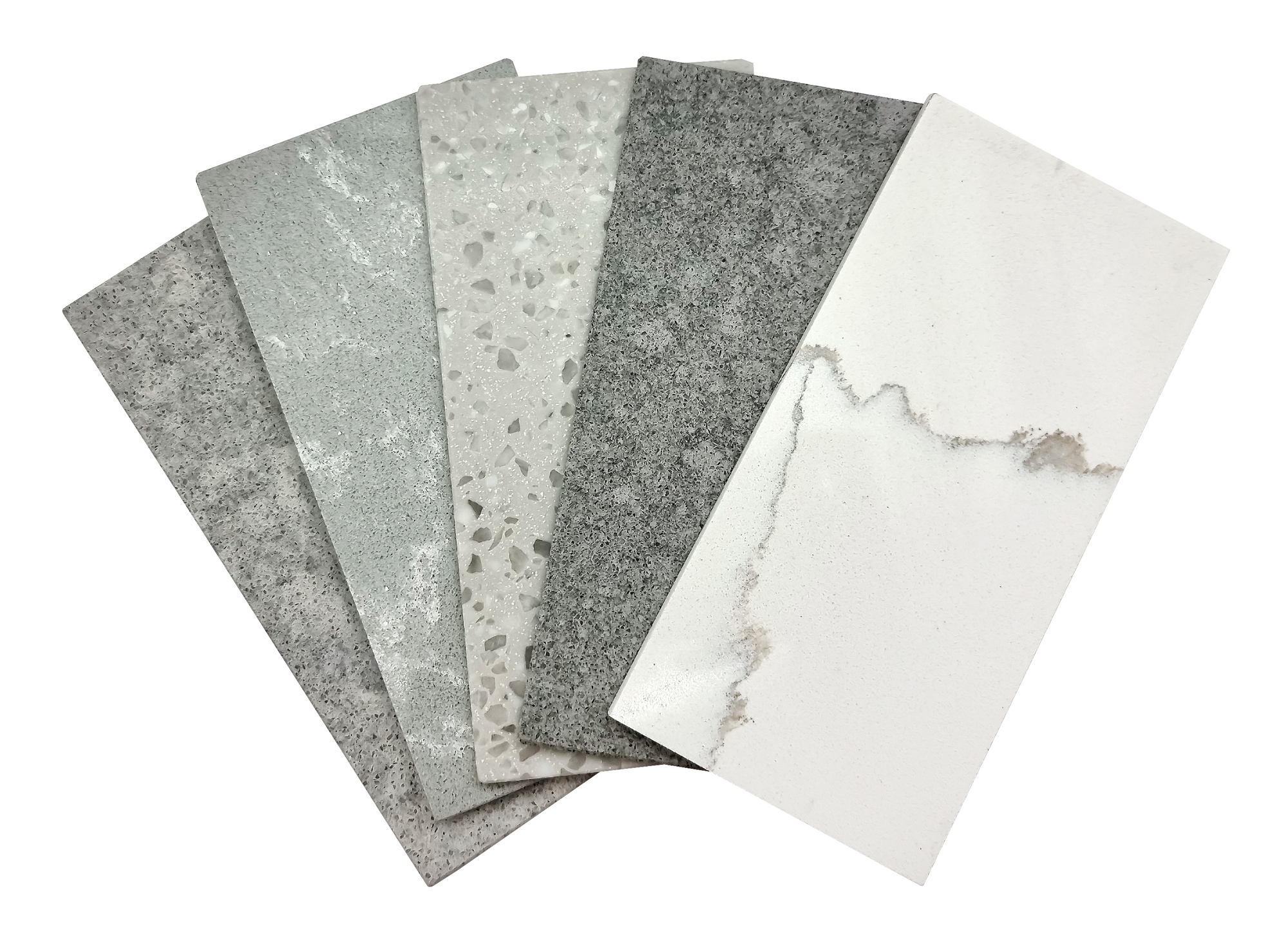
You bring home a tile or stone sample, set it on your counter, fall in love… and then the full floor goes in and it looks way busier, darker, or cooler than you expected. If that sounds familiar, you’re not alone. Samples are incredibly helpful, but they can also be a little sneaky if you don’t know what you’re looking at.
Let’s walk through how to “read” those little pieces of tile and stone so your new floor looks the way you pictured it in your head.
1. One Piece vs. a Whole Floor
The biggest trap with natural stone and patterned tile is forgetting that a single sample never tells the whole story.
Natural stone, especially marble, travertine, and slate, can swing quite a bit from piece to piece. Veins, speckles, and color shifts are part of the charm, but they also mean your finished floor will have more movement than that one calm sample might show. When you browse our natural stone flooring collection, you’ll notice product photos often show several tiles together for this reason.
With tile, printed patterns and shade variation ratings matter. A tile marked as “high variation” will have noticeably different faces in the box. Laid out across a kitchen or entry, that variation becomes a major design feature, not a small detail.
Key idea: Always ask yourself, “If I multiplied this sample by 100, would I still love it?”
2. Light, Direction, and Room Size
The same sample can look completely different in a bright kitchen than it does in a basement family room.
If you live in one of the northern suburbs, you know how much our light changes between cloudy winter days and sunny summer evenings. That shifting light can make gray tones feel blue, beige tones look a little pink, or a warm cream suddenly seem yellow.
To get a realistic read, try this:
- Move the sample around the room and check it morning, afternoon, and evening.
- Place it on the floor, then hold it up vertically against a wall or cabinet.
- Look at it from the hallway or doorway, not just standing right over it.
If you’re comparing a few options, it can help to pull up similar looks in our tile flooring catalog and study how they appear in larger room scenes, then match that feeling to what you’re seeing at home.
Key idea: Judge samples from across the room and at different times of day, not just under one light.
3. Texture, Finish, and Everyday Life
Photos rarely tell you how a floor will feel under your feet or behave with real-life messes.
Polished stone is glossy and elegant, but it will reflect light and footprints more. Honed or tumbled finishes are softer-looking and can hide smudges better, which many families prefer in busy kitchens and entries. Porcelain tile that mimics stone might have a subtle texture pressed into the surface; that can add grip in areas that see snow, slush, and road salt.
When you’re holding a sample, run your hand over it, tilt it toward a window, and ask:
- Does it feel too slick for a bathroom or entry?
- Will this finish show every water spot or crumb?
- Is the texture going to be easy to mop?
If you need help picturing how different surfaces look when installed, our flooring inspiration galleries are a great way to see stone and tile in real rooms.
Key idea: Texture and finish change how your floor behaves, not just how it looks.
4. Color Pairing With Your Real Materials
In your home, stone and tile are never alone. They sit next to cabinets, counters, paint, and furniture that all have their own undertones.
Lay your sample directly against your cabinet doors, trim, and even a piece of your sofa fabric or a throw pillow. You’re looking for undertones that cooperate: warm with warm, cool with cool. A gray tile with a greenish cast, for example, can fight with a blue-gray wall.
If you’re juggling multiple rooms or debating between materials, it can help to step back and think about the bigger picture. We often walk homeowners through combinations like stone in the kitchen, tile in the bath, and refinished hardwood nearby, using our full range of flooring services to tie everything together.
Key idea: Always judge samples in context with the finishes you already have or plan to keep.
If you take your time with variation, lighting, texture, and color pairing, those little samples start to tell you a very clear story about the floor you’ll actually live with. When you’re ready to see options in person or have us bring samples to your home, you can request a free estimate and we’ll help you narrow things down with zero pressure.