

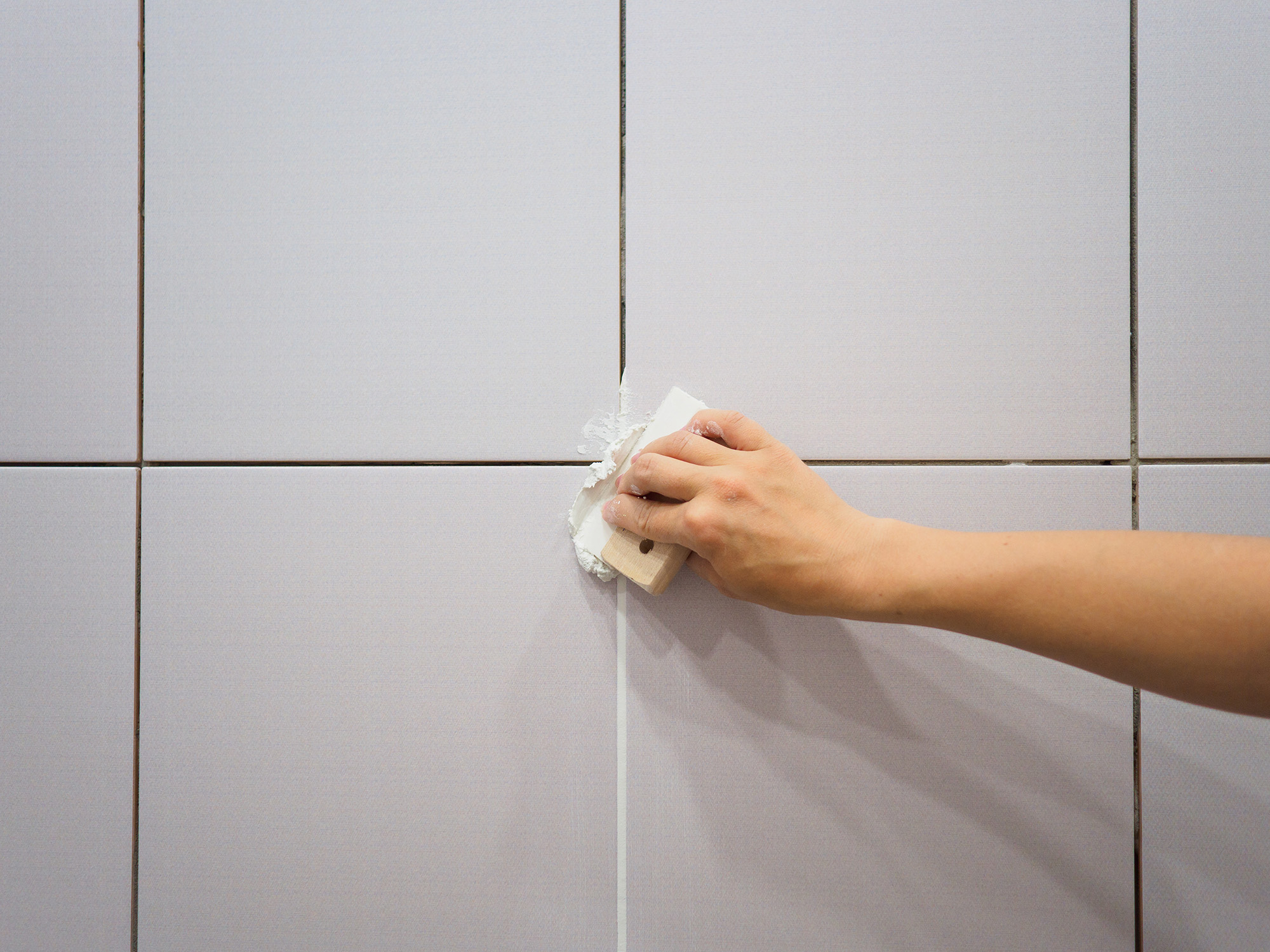
You can mop your tile every week, but if the grout lines are dark, cracked, or stained, the whole floor still looks tired. If you’re staring at dingy grout in your kitchen, bathroom, or entryway and wondering if it just needs a deep clean or a full reset, you’re not alone.
Let’s walk through how to clean grout the right way, what to avoid, and how to tell when it’s time to re-grout instead of scrubbing for the hundredth time.
Start Simple: Safe Everyday Grout Cleaning
Grout is porous, so it holds onto dirt, spills, and even mop water. The trick is using cleaners that lift grime without breaking down the material.
For routine cleaning, you can usually stick with:
- Warm water, a few drops of mild dish soap, and a soft-bristle brush
Work the solution into the lines, then rinse with clean water and dry with a towel so dirty water doesn’t settle back into the joints. This is especially helpful in entries where road salt and slush get tracked in during winter.
If grime is heavier, a 1:1 mix of warm water and white vinegar can help on sealed grout. Spray lightly, let it sit a few minutes, scrub gently, then rinse thoroughly. Skip vinegar on natural stone, since acids can etch the surface.
If your tile is porcelain or ceramic, and you’re not sure what type you have, it can help to compare finishes to options in our tile flooring catalog so you know how aggressive you can safely be.
What to Avoid So You Don’t Damage Grout
It’s tempting to reach for the strongest cleaner in the cabinet, but some products actually shorten grout’s life.
Try to avoid:
- Straight bleach as a go-to cleaner (occasional spot use is fine, but frequent use can weaken grout and fade color unevenly)
- Harsh acids or “miracle” grout-whitening powders that don’t list ingredients
- Metal brushes or screwdrivers used as scrapers
- Steam cleaners on loose or cracked grout, which can force moisture deeper
If you’ve already experimented with different products and your grout still looks blotchy, you may be seeing permanent staining rather than surface dirt. At that point, no cleaner will bring it back to “like new,” and it’s time to decide whether to live with the patina or plan for repair.
When you start thinking about replacing the floor altogether, it can be helpful to browse different looks in our flooring inspiration galleries to see how grout color and joint width change the feel of a room.
Signs It’s Time to Re-Grout Instead of Re-Clean
There’s a big difference between grout that’s dirty and grout that’s failing. Cleaning can’t fix structural issues, and pushing too hard can actually make things worse.
You’re likely due for re-grouting when you notice:
- Cracks or missing sections. If pieces are popping out or hairline cracks run along the joint, water can slip underneath.
- Loose or hollow-sounding tiles. Movement means the bond under the tile or grout is compromised.
- Persistent dark spots. If stains don’t budge after a careful deep clean, they’re probably inside the grout, not on top.
- Crumbly texture. When grout turns powdery or flakes out when you run a fingernail across it, it has broken down.
Re-grouting can be done just in problem areas, but if the floor is older and multiple spots are failing, it’s often smarter to think about a full refresh. Many homeowners in our area pair that step with an upgrade to a more modern porcelain or large-format style they’ve seen in our tile flooring options.
Planning Ahead: When Grout Problems Mean It’s Time for New Tile
Sometimes grout issues are a symptom of a bigger problem: movement in the subfloor, repeated water exposure, or tile that was never installed quite right. In basements and bathrooms, trapped moisture can also be a concern.
If you’re seeing widespread cracking, tiles shifting, or recurring mold at the same spots even after cleaning and re-caulking, it might be more cost-effective to replace the floor than to keep patching. When that happens, we can help you choose new tile and grout combinations that are:
- Easier to maintain (darker or mid-tone grout hides everyday soil)
- Better suited to Michigan’s freeze-thaw cycles and basement humidity
- Installed with modern setting materials for longer life
If you’re unsure where your floor stands, we’re happy to take a look and give honest feedback on whether cleaning, re-grouting, or full replacement makes the most sense.
When you’re ready to talk through options for your tile floors, you can start by requesting a visit through our free estimate form; we’ll walk you through what we see, what it will take to fix it, and what fits your budget.