

You’ve probably heard people say tile or stone floors “last forever.” But when you’re actually budgeting for a remodel, that’s not very helpful. Do they really outlive carpet and vinyl by decades? Will they survive kids, pets, and Michigan winters dragging in salt and slush?
Let’s walk through what you can realistically expect from tile and natural stone, how maintenance affects lifespan, and how to choose the right material for each room.
How Long Does Tile Flooring Really Last?
In a typical home, quality porcelain or ceramic tile can last 20–50 years or more. The wide range comes down to three big factors: material quality, installation, and how you treat it.
- Porcelain tile is denser and less porous than standard ceramic, so it resists chips, stains, and moisture better. In busy kitchens, entries, and mudrooms, it’s common for porcelain to hit the higher end of that 20–50 year window.
- Ceramic tile is still very durable, but it’s a little softer and better suited to moderate-traffic spaces like bathrooms or laundry rooms rather than the main entry door that sees boots and dog claws all day.
Grout plays a huge role too. When grout joints are properly packed, sealed, and cleaned regularly, the surface stays solid and easy to maintain. When they’re neglected, dirt, water, and road salt work their way in and can shorten the life of the whole floor.
If you’re comparing styles, you can see how different porcelain, ceramic, and mosaic options hold up by browsing our tile flooring catalog.
Natural Stone Lifespan: Built to Outlast You (If You Care for It)
Natural stone is a little different. Instead of thinking in decades, you can often think in generations.
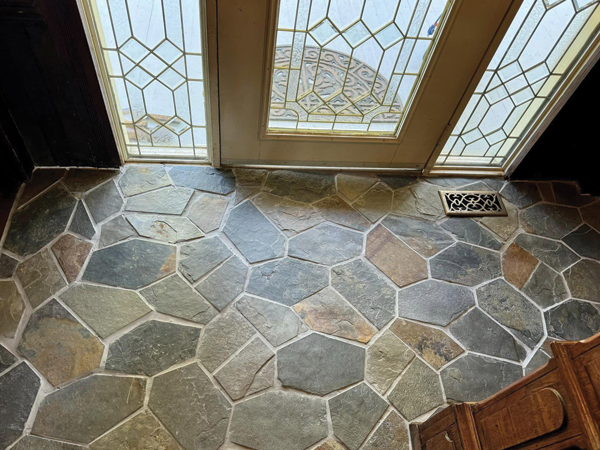
Marble, travertine, slate, and granite can easily last 50–100 years in a home when they’re installed correctly and cared for. That’s why you still see original stone in old buildings that have been around longer than any of us.
The trade-off is maintenance:
- Most stone needs regular sealing to keep spills and moisture from soaking in.
- Cleaners have to be stone-safe; harsh products can etch or dull the surface.
- Heavy impact (dropping a cast-iron pan on marble, for example) can chip softer stones.
In return, you get a surface that can be honed, polished, or refreshed over time instead of ripped out and replaced. If you’re drawn to that “forever floor” idea, it’s worth exploring our natural stone flooring collection to see the different species and finishes.
How Michigan’s Climate Affects Tile and Stone Lifespan
In our four-season Great Lakes climate, tile and stone have a big advantage: they don’t swell, buckle, or fade the way some other materials can. That said, the way we live with them here introduces a few unique challenges.
Cold, snowy winters mean:
- Road salt and sand get tracked in and act like sandpaper on the surface and grout.
- Constant freeze-thaw cycles near entry doors can be tough on poorly installed floors.
Humid summers and busy basements add:
- Occasional moisture issues if the subfloor wasn’t properly prepped.
- Extra wear in finished lower levels that double as playrooms, home gyms, or second living rooms.
The good news is, most of this is manageable with simple habits: using mats at doors, sweeping or vacuuming grit regularly, and wiping up puddles before they sit. When something does go wrong, our full range of flooring services can often repair or refresh surfaces before you’re forced into a full replacement.
Signs Your Tile or Stone Is Nearing the End of Its Life
Even the toughest floor eventually tells you it’s tired. Here are the signs we look for when homeowners ask whether it’s time to replace:
- Multiple cracked or loose tiles in different areas, especially if the subfloor is failing underneath.
- Grout that crumbles or won’t stay clean even after deep scrubbing and resealing.
- Uneven spots or hollow sounds when you walk, suggesting old setting materials have broken down.
- Severe staining or etching on stone that can’t be corrected with cleaning or refinishing.
Sometimes the structure is still sound, and a professional deep clean, re-grout, or re-seal buys you many more years. Other times, especially in older homes where tile was set over failing substrates, replacement is the smarter long-term move.
If you’re not sure which camp your floor falls into, it can help to compare what you have now to newer installations in our flooring inspiration galleries; you’ll get a feel for what’s truly “worn out” versus just dated in style.
Bringing It All Together
Tile and stone are some of the longest-lasting surfaces you can put in your home. With good materials, solid installation, and basic care, it’s realistic to expect decades of use—often far longer than carpet, laminate, or standard vinyl.
If you’re weighing your options for a kitchen, bath, or basement and want honest input on what will last in your specific space, we’re happy to talk it through with you. You can tell us about your home, traffic patterns, and style, and we’ll help you narrow it down. When you’re ready, go ahead and request a free estimate, and we’ll walk you through your choices step by step.