

It’s easy to look at a low price tag and think you’ve found a smart shortcut. When you’re planning a flooring project, especially in busy family spaces, saving money upfront can feel like the obvious win. But with tile and stone, the cheapest option often becomes the most expensive one once cracks, uneven installation, moisture problems, or early wear start showing up.
That doesn’t mean you need to chase the most expensive material in the showroom. It means you want to understand where cheap flooring really costs you more and how to spot the difference before anything gets installed.
The material price is only part of the story
A bargain tile may look great in the box and still create problems later. Lower-grade products can vary more in size, thickness, and finish, which makes installation harder and the final result less consistent. That usually shows up as uneven lines, lips between pieces, or a surface that just feels off when you walk across it.
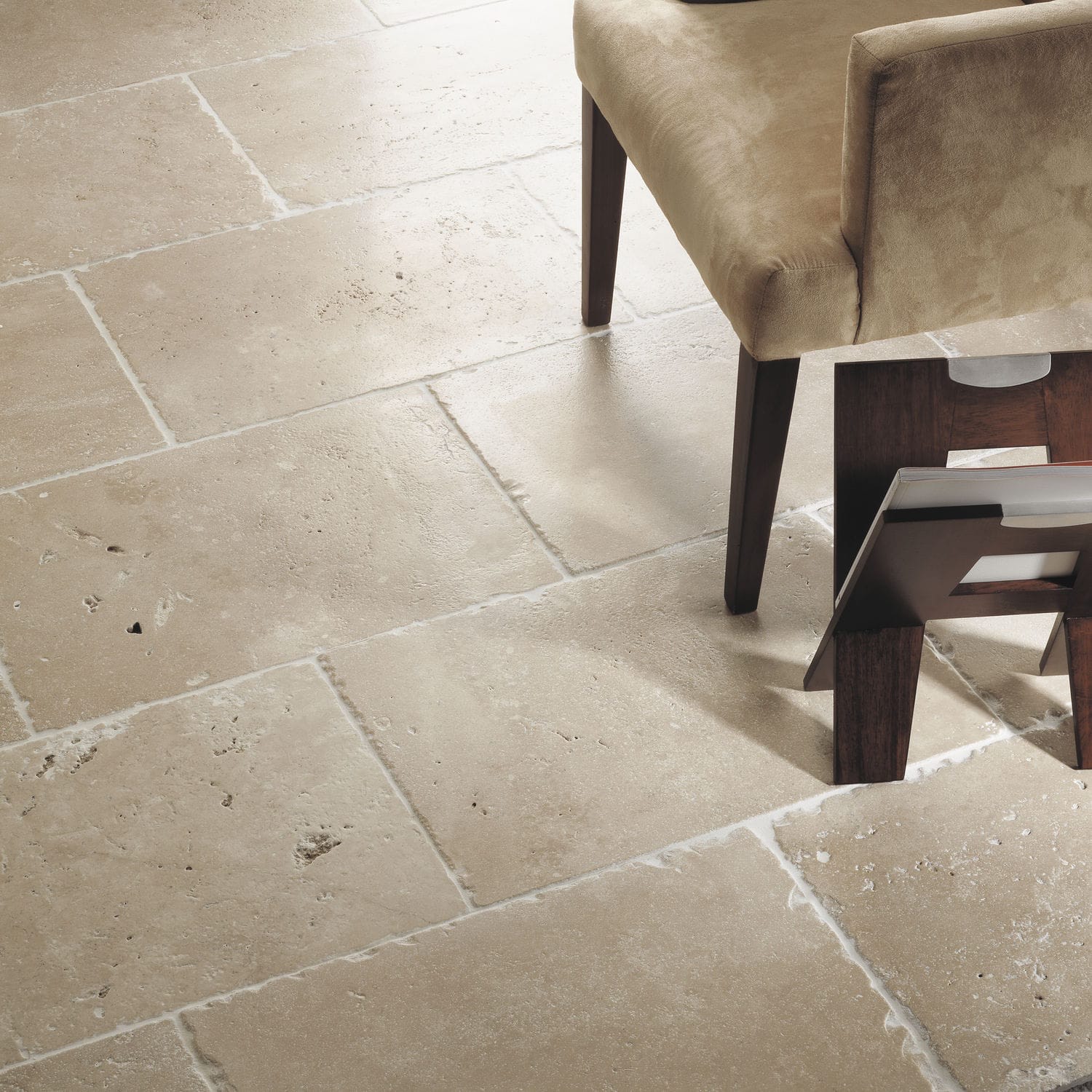
Natural stone brings another layer to the decision. Marble, travertine, slate, and granite all have their own strengths, but they also need the right application, prep, and maintenance plan. If you’re comparing surfaces, it helps to browse actual natural stone flooring options so you can see the range of looks and understand that one category can include very different performance expectations.
Cheap installation usually gets expensive fast
Even a solid product can fail if the prep work is rushed. This is where many “too good to be true” quotes fall apart. If the subfloor isn’t level, the layout isn’t planned well, or the wrong setting materials are used, the floor may start cracking long before it should. You might save money on day one and spend much more on repairs, replacement, and disruption a year later.
That’s especially important in homes around Sterling Heights, where seasonal humidity swings, winter slush, and everyday traffic put real stress on hard surfaces. A well-planned installation takes those conditions into account. When you’re comparing styles for kitchens, baths, entryways, or basements, looking through a full tile flooring selection can help you think beyond color and focus on durability, texture, and where each option makes the most sense.
Maintenance surprises add up over time
One of the most overlooked costs is upkeep. Some materials need sealing. Some show dirt faster. Some are more likely to etch, chip, or stain if they’re used in the wrong room. That’s not always obvious when you’re standing in a showroom looking at a small sample.
The better question is not “What’s cheapest today?” but “What will still look good in five years?” For a high-traffic home in Warren or Troy, that answer may be porcelain in one room and stone in another. The right fit depends on how you live, how much maintenance you want, and whether the floor is going over a moisture-prone area like a finished basement.
The best value comes from making the right choice once
A floor doesn’t feel affordable if you have to redo it. Real value comes from choosing something that fits your home, your routine, and your budget without creating avoidable problems later. That’s why we always recommend looking at the full picture: product quality, proper prep, room conditions, and long-term care.
If you want extra peace of mind before making a decision, you can read through recent customer experiences to see how our team approaches projects and why details matter so much. And if you’d like help narrowing down the right material for your space, you can request a free in-home flooring estimate and we’ll walk you through it with you.