

You’ve probably stood in a tile aisle or scrolled an online catalog, seen “DCOF ≥ 0.42” or “slip resistant,” and thought… “Okay, but is this actually safe for my bathroom or entry?” You’re not alone. Those tiny numbers and acronyms are supposed to help you, but they rarely get explained in plain language.
Let’s walk through what slip-resistance ratings really mean, how they affect your home, and how to use them when you’re choosing tile.
What is DCOF, and why should you care?
DCOF stands for Dynamic Coefficient of Friction. In normal-people terms, it measures how much grip a tile has when someone is already moving across it, especially when the surface is wet.
In North America, the main standard for this is ANSI A326.3. The important number most homeowners see is:
- DCOF ≥ 0.42 for level, indoor areas that can get wet (like kitchens, bathrooms, mudrooms, and entries).
That 0.42 isn’t a magic “non-slip” guarantee, but it’s a minimum safety guideline. Higher numbers generally mean more traction, especially helpful where you expect water, slush, or road salt to be tracked in.
When you’re browsing our tile flooring options, you’ll often see this rating in the specs. If you know you’ve got kids racing in from the snow or a dog charging across the kitchen, leaning toward tiles with DCOF above 0.42 is a smart move.
How surface texture and grout lines change real-world traction
Here’s the catch: DCOF is only part of the story. Two tiles can have the same rating and feel completely different under your feet.
A few things that change real-world slip resistance:
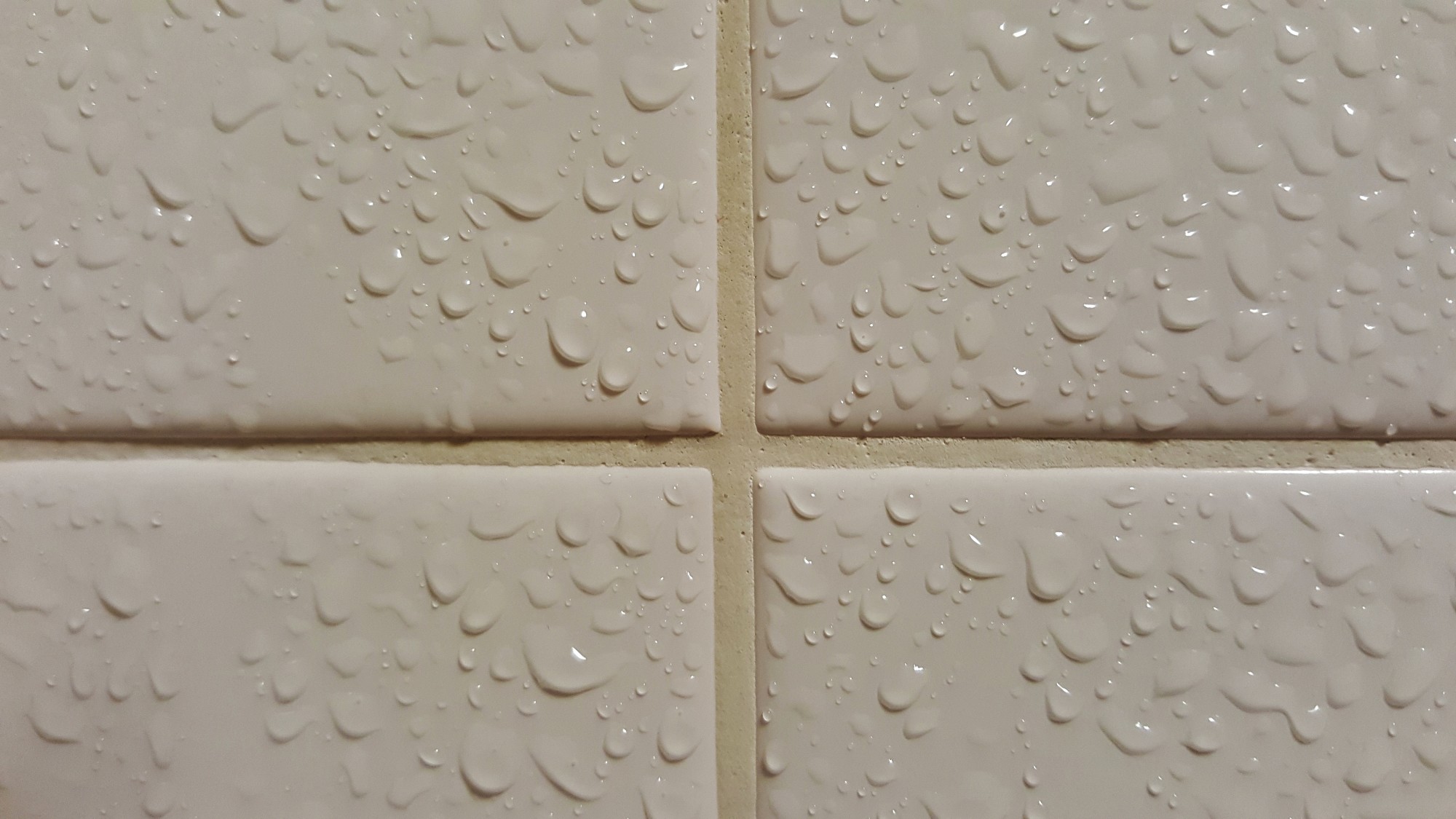
- Texture: Matte, slightly textured, or “grip” finishes usually feel safer underfoot than high-gloss or polished surfaces, especially when wet.
- Size and grout joints: Smaller tiles (like mosaics) have more grout lines. Grout adds extra traction, which is why mosaics are so popular for shower floors.
- Contaminants: Soapy water, cooking oil, or a layer of salt and slush from a Michigan winter can all make a floor more slippery, no matter the rating.
For example, a large polished tile with a borderline rating might look stunning in a living room, but it’s not the best choice for a busy bathroom floor. On the other hand, a textured porcelain with a solid DCOF value and tighter grout joints can feel much more secure under bare, wet feet.
If you want to see how different finishes look and pair with grout colors, our flooring inspiration galleries are a helpful place to start visualizing real rooms.
Matching slip resistance to each room in your home
Instead of hunting for “the safest tile ever,” it’s better to match the right level of slip resistance to the right space.
Here’s a simple way to think about it:
- Main entries and mudrooms: These see wet shoes, road salt, and slush. Look for tiles that meet or exceed the 0.42 guideline, with a matte or lightly textured finish. Designs that mimic stone or concrete often work well here.
- Kitchens: There’s always a chance of spills. A comfortable, easy-to-clean porcelain with a solid DCOF value and a soft texture is usually ideal. High-gloss finishes can be beautiful on walls or backsplashes, but we’d keep them off busy kitchen floors.
- Bathrooms and showers: For bathroom floors and especially shower pans, prioritize grip over gloss. Smaller formats or mosaics with lots of grout are your friend in the shower. When you’re comparing styles in our tile catalog, pay attention to both the finish description and the recommended usage.
- Basements: In our climate, basements can feel cool and sometimes damp. A slip-resistant porcelain or stone-look tile with a bit of texture gives you durability without feeling like an ice rink when condensation or tracked-in moisture shows up.
If you love the look of natural materials, you can also explore slip-conscious choices in our natural stone collection, focusing on honed or textured finishes rather than highly polished ones for wet areas.
How to read ratings without overthinking them
At the end of the day, ratings are a tool, not the whole decision. Here’s how we suggest you use them:
- Aim for DCOF ≥ 0.42 in any spot that might get wet.
- Go higher and more textured for areas with constant moisture or heavy traffic.
- Remember that maintenance matters: a clean, textured tile is safer than a greasy or soapy floor with great lab numbers.
- Consider who will be using the space — young kids, older family members, or anyone with mobility concerns may benefit from extra traction.
When you work with us, we don’t just point to a spec sheet. We talk through how you actually live in your home, then help you narrow down safe, stylish options from brands like DalTile, MSI, and more.
If you’re ready to compare specific tiles and see what will work best in your space, you can request a free estimate and we’ll walk you through slip resistance, style, and installation step by step.