

You’ve picked out the perfect tile for your kitchen, bathroom, or entryway… and now you’re staring at the boxes wondering, “Can I actually install this myself, or should I call in the pros?” It’s a common crossroads, especially when you’re trying to balance budget, timeline, and how handy you really are.
Let’s walk through how to make a smart call for your home, not just in theory, but based on the kind of houses, basements, and four-season weather we deal with here in the northern Detroit suburbs.
When DIY Tile Installation Can Make Sense
There are situations where rolling up your sleeves is totally reasonable. The key is to be honest about the project, your tools, and your comfort level.
DIY is usually smartest when:
- The space is small and simple: a powder room floor, laundry room, or straightforward backsplash with few cuts.
- The subfloor is in great shape: flat, solid, and dry. No squeaks, dips, or signs of moisture.
- You’re patient and detail-oriented: tile is unforgiving if you rush layouts or grout lines.
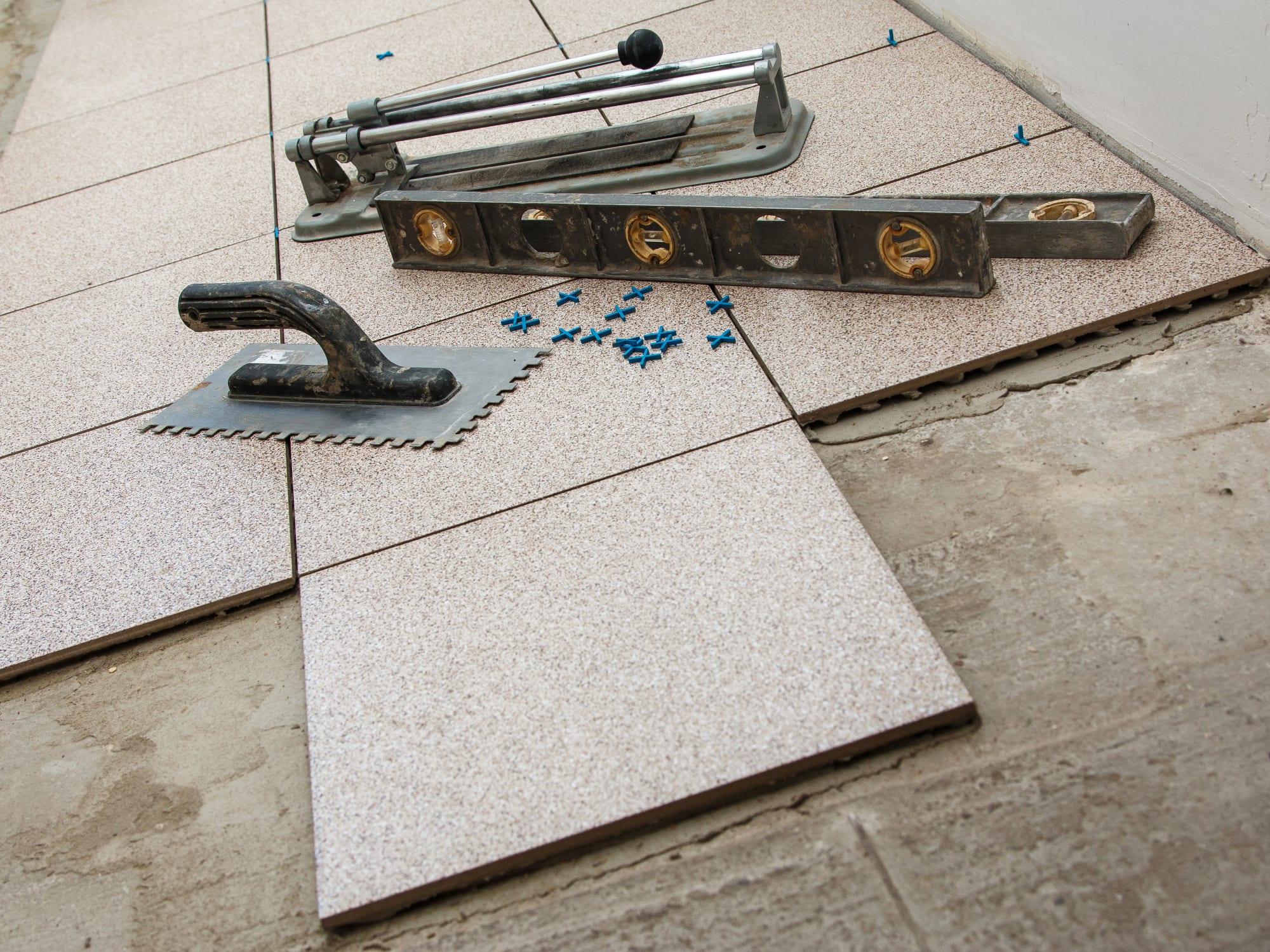
- You already own some tools or don’t mind renting: a tile saw, level, trowels, spacers, and safety gear.
If you’re still shopping for materials, it helps to start by exploring different sizes and finishes in our tile flooring options. Large-format porcelain, for example, looks amazing but is tougher to handle and cut than smaller pieces, which is something to factor into a DIY decision.
Going the do-it-yourself route can save labor costs, but you pay with time and a steeper learning curve. For some homeowners, that trade-off feels worth it on a small, low-risk project.
When Professional Installation Is the Smarter Move
Tile is one of those surfaces where mistakes are very visible and very permanent. In many rooms, hiring a pro ends up cheaper than fixing DIY issues later.
Professional installation is usually the better choice when:
- The room layout is complex: lots of corners, doorways, or built-ins.
- You’re working with tricky materials: large-format tile, mosaics, or natural stone that chips easily.
- The subfloor needs work: leveling, crack isolation, or moisture mitigation, especially in basements.
- You want perfectly straight lines in a focal area: showers, fireplace surrounds, and open-concept main floors.
Our installers deal with cold winters, humidity, and the expansion and contraction that come with this climate every day. That experience matters when you’re setting tile over concrete in a basement or in an entry that gets hit with road salt and melting snow. If you’re unsure what prep your project really needs, you can always look at our broader flooring services to see how we handle subfloors, specialty areas, and more.
The other big advantage of using a pro is accountability: if something isn’t right, you’re not the one tearing it back up.
What Homeowners Often Underestimate About Tile
On YouTube, tile projects look quick and clean. In real life, a few things tend to surprise people who try to tackle everything alone.
First, tile layout is half science, half art. Getting a room centered, avoiding slivers of tile at walls, and keeping grout joints consistent takes planning before a single piece is set. Once mortar is down, you’re on the clock; it doesn’t wait while you rethink the pattern.
Second, prep is everything. A floor that’s “pretty flat” is often not flat enough. Even a small dip can cause lippage (one edge higher than another), which you’ll see and feel every day. Pros bring leveling systems, specialty mortars, and years of judgment about when a floor is ready versus when it still needs work.
If you want to see how finished tile and stone projects should look when all those details are handled correctly, it can help to browse our inspiration galleries and study how grout lines, transitions, and patterns come together.
How to Decide What’s Right for Your Project
Instead of asking “DIY or pro?” in general, zoom in on your exact situation:
- Scope: Is this a one-weekend small room, or a major kitchen and adjoining hallway?
- Risk: Is it over a finished basement, around a shower, or in an area that gets a lot of moisture?
- Tools & skills: Have you tiled before? Do you feel comfortable making dozens of precise cuts?
- Timeline: Can you live with a torn-up space for a while if things go slower than planned?
A good middle ground for many people is a hybrid approach. You might handle demolition, cleanup, and painting, then let a crew handle layout, prep, and setting the tile. That way you still save on some labor but protect the parts of the job where mistakes are most costly.
If you’re on the fence, the easiest next step is to get real numbers and advice for your specific room. You can share your ideas, photos, and square footage when you request a free estimate, and we’ll help you compare DIY, hybrid, and full professional installation so you can choose what truly makes the most sense.