

You start with a simple goal: “Let’s redo the kitchen floor.” Then the quotes come in and suddenly you’re hearing about subfloor prep, grout upgrades, and transition strips you never planned for. If you live in a busy household with pets, kids, and Michigan winters, it can feel like every decision adds another dollar sign.
Let’s walk through how to budget for tile or stone flooring so you know what’s coming — and what you can control — before anyone starts tearing out your old floors.
Step 1: Separate “Material Price” From “Project Cost”
When you’re comparing options, it’s easy to focus only on the price per square foot on the tag. That’s a start, but your real project cost includes a few layers:
- Tile or stone itself
- Underlayment and setting materials
- Labor for installation
- Prep and repairs (leveling, subfloor work, demo, disposal)
- Finishing details (trim, thresholds, grout sealing)
Porcelain or ceramic tile can be very budget-friendly, especially if you stick to standard sizes and patterns. You can see how different looks affect price by browsing our tile flooring options and comparing styles side by side.
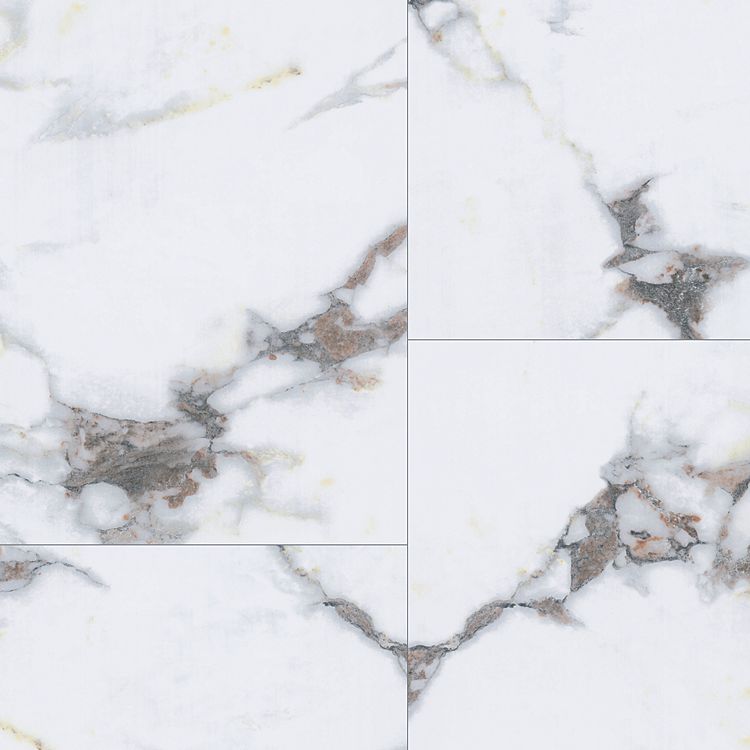
Natural stone usually runs higher per square foot, and it often needs more labor because each piece has unique thickness and edges. If you’re drawn to marble, travertine, or slate, take a few minutes to explore our natural stone selections so you can understand how finish, size, and stone type play into cost.
Step 2: Plan for the “Hidden” Line Items
Most surprise bills come from things you don’t see in a showroom. When we walk a home in the suburbs north of Detroit, these are the budget traps we look for right away:
- Subfloor issues. Old tile, bouncy floors, or water damage in kitchens, bathrooms, or basements can require repair or leveling before we can set new material.
- Layout complexity. Angled hallways, lots of doorways, or detailed patterns mean more cuts and time.
- Existing floor removal. Ripping out old ceramic, glued vinyl, or multiple layers of flooring adds labor and disposal fees.
- Transitions and trim. Metal edging, stair noses, and thresholds between rooms add up if they’re not in the original plan.
A good estimate should line-item these areas so you can see exactly where your money is going. If a quote looks unusually low, ask what’s included — our customers often mention in their reviews that clear breakdowns helped them avoid those “I didn’t know that cost extra” moments.
Step 3: Match Material Choices to Real-Life Use
Your floor has to survive road salt, wet boots, and humid summers, not just look pretty in a photo. That’s where smart material choices can protect both your budget and your sanity.
Porcelain tile is usually the workhorse for high-traffic entries, kitchens, and baths because it’s dense and water-resistant. Ceramic can be a great value in lighter-use areas. Stone brings a beautiful, one-of-a-kind look, but you’ll want to factor in sealing and a bit more maintenance.
If you’re still deciding between looks, it can help to see full rooms instead of small samples. Our flooring inspiration gallery shows real-world spaces with different tile and stone styles so you can picture them in your own home before committing.
Step 4: Build a Cushion and Prioritize Rooms
Even with careful planning, older homes especially can hide surprises once we pull up the old floor. We usually suggest setting aside an extra 10–15% of your budget for unexpected prep work. If you don’t end up needing it, great — you’ve just given yourself room for a nicer grout, heated mats in the bathroom, or upgraded trim.
It also helps to prioritize. Maybe you go with a mid-range porcelain in the large kitchen and splurge on a smaller natural stone feature in the powder room. Because we work across nearby suburbs all the time, we’re used to helping families phase projects so they don’t blow the budget in one shot.
If you’d like help turning your ideas into real numbers — materials, labor, and everything in between — you can start by requesting a free flooring estimate, and we’ll walk you through a clear, no-pressure budget for your tile or stone project.